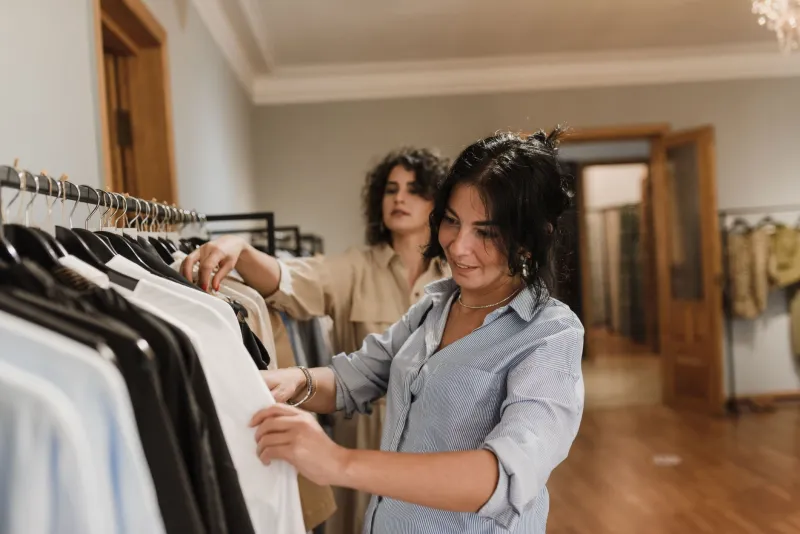
How to Thrift Like You Know What You're Doing (Because After This, You Will)
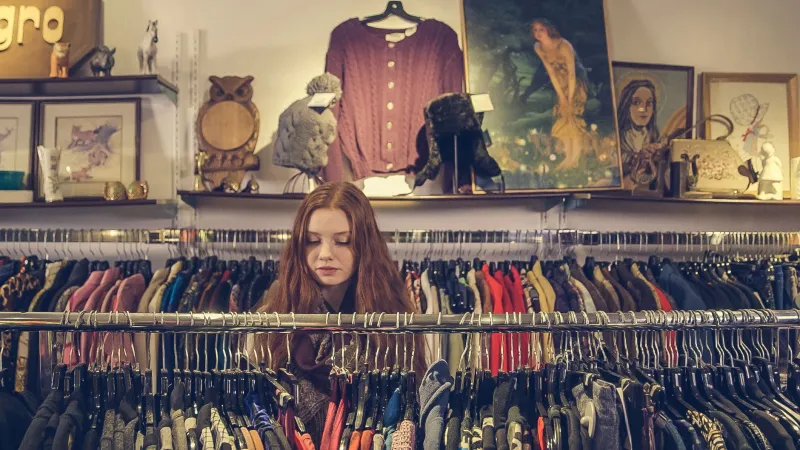
The Problem With Most Thrift Shopping Advice
Everybody loves to say "just thrift it" like walking into a Goodwill with good intentions is all it takes to come out with a killer wardrobe. But anyone who's actually tried to build a professional wardrobe secondhand knows the reality: it can feel like digging through a landfill looking for treasure, and without a system, you'll waste hours and still walk out with nothing wearable.
The good news is that thrift shopping is a learnable skill — and once you know what to look for, you can move through a store efficiently, spot quality from three feet away, and build a high-impact wardrobe for a fraction of retail prices. This isn't about luck. It's about knowing the metrics.
Before You Go: The Preparation Phase
The biggest mistake first-time or frustrated thrift shoppers make is going in without a list. Not a vague "I need work clothes" list — a specific one. What pieces are genuinely missing from your wardrobe? What silhouettes do you know work for your body? What colors are already in your rotation that new pieces need to coordinate with?
Write it down. Seriously. A focused list keeps you from impulse-grabbing things that are only interesting in the context of the store and useless the moment you get home.
Also worth doing before you go: a quick Google search for the thrift stores in your area and their restock schedules. Most Goodwill locations restock daily, but higher-end consignment shops and thrift chains like Savers or Arc often have specific days when new donations hit the floor. Weekday mornings after a restock day are typically the sweet spot — less competition, fresher inventory.
The Quality Metrics That Actually Matter
Once you're in the store, you're essentially functioning as your own quality control department. Here's what to evaluate before anything goes in your cart.
Fabric weight and hand feel. Pick up the garment and let it fall. Quality fabric has substance — it drapes, it moves, it feels like something. Lightweight, papery, or plasticky fabric is almost always a sign of low-quality construction, and it'll look cheap no matter how it's styled. Natural fibers — wool, cotton, silk, linen — and quality blends generally hold up far better over time than synthetic-heavy fabrics.
Seam construction. Flip the garment inside out. Are the seams finished cleanly, or are they raw and fraying? Are there multiple rows of stitching? French seams (where the raw edge is completely enclosed) are a hallmark of quality construction. Serged edges are standard and acceptable. Unfinished edges or loose threads are a warning sign.
Thread count in wovens. Hold a woven piece (like a dress shirt or blouse) up to the light. Higher thread count fabrics will have a tighter weave that's harder to see through. If the weave looks loose or the fabric is nearly transparent in normal lighting, it's going to look cheap and won't wear well.
Button and hardware quality. Cheap buttons are often plastic, lightweight, and loosely attached. Quality garments have heavier buttons — shell, horn, or dense resin — that feel substantial and are sewn with a thread shank (the little stem between the button and the fabric that allows it to button cleanly). Metal hardware on bags and jackets should feel heavy, not tinny.
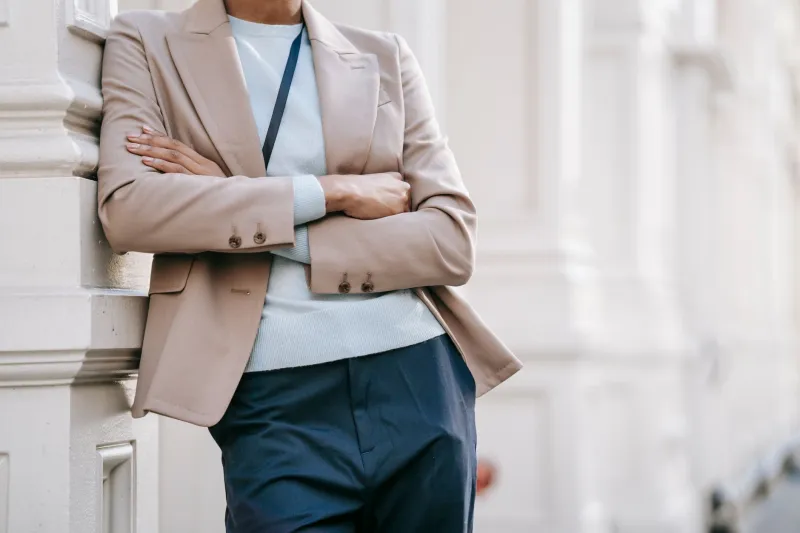
Lining and structure. Blazers and structured pieces should have some internal architecture — interfacing, padding, or boning — that helps them hold their shape. Squish the shoulder of a blazer. Does it spring back? That's a good sign. Does it collapse and stay flat? Probably not worth your time.
Brands Worth Hunting For
Not all labels are created equal in the secondhand market. Some brands are worth grabbing even at higher consignment prices because they're built to last. In the professional wardrobe category, keep an eye out for:
- Ann Taylor and Talbots for classic suiting and work separates that hold their structure wash after wash
- Eileen Fisher for elevated basics in quality natural fibers that age beautifully
- J.Crew and Banana Republic (older pieces especially, pre-2015) for solid construction in work-appropriate silhouettes
- Theory and Vince if you find them — these brands use excellent fabric and the resale price is still far below retail
- Brooks Brothers for shirts and blazers, particularly the men's section if you're open to menswear-inspired pieces
Fast fashion brands — think Forever 21, Shein, Fashion Nova — are almost never worth buying secondhand. They weren't built to last, and they won't.
The Fitting Room Is Non-Negotiable
This sounds obvious, but it's where a lot of thrift shoppers cut corners and regret it. Try everything on. Every single thing. Secondhand clothing has often been washed and dried in ways that alter the original sizing, and vintage sizing runs dramatically different from modern sizing. A tag that says 10 might fit like a modern 6 or a modern 14. The only way to know is to try it.
While you're in the fitting room, move around. Sit down. Raise your arms. If you're buying work clothes, you need them to function in professional situations, not just look good standing still.
The Alterations Equation
Here's where thrift shopping gets really strategic. A piece that's 80% right but needs a hem or a dart taken in can still be a great buy — as long as the alteration cost fits the budget. A simple hem runs $15-25 at most tailors. Taking in a side seam is usually $20-30. These investments can turn a $12 blazer into something that looks custom.
But know your limits. Restructuring a shoulder, adding sleeves, or significantly changing a neckline gets expensive fast and often isn't worth it on a secondhand piece.
The Bigger Picture
Building a professional wardrobe through thrifting isn't just a budget move — it's a values move. The fashion industry is one of the largest contributors to global textile waste, and buying secondhand keeps quality pieces in circulation longer. That's worth something.
But you don't have to lead with the sustainability angle if it doesn't resonate with you. Lead with the math: a $15 Theory blazer that you wear 80 times has a cost-per-wear that no fast fashion piece could ever touch. That's the sensible choice, full stop.